
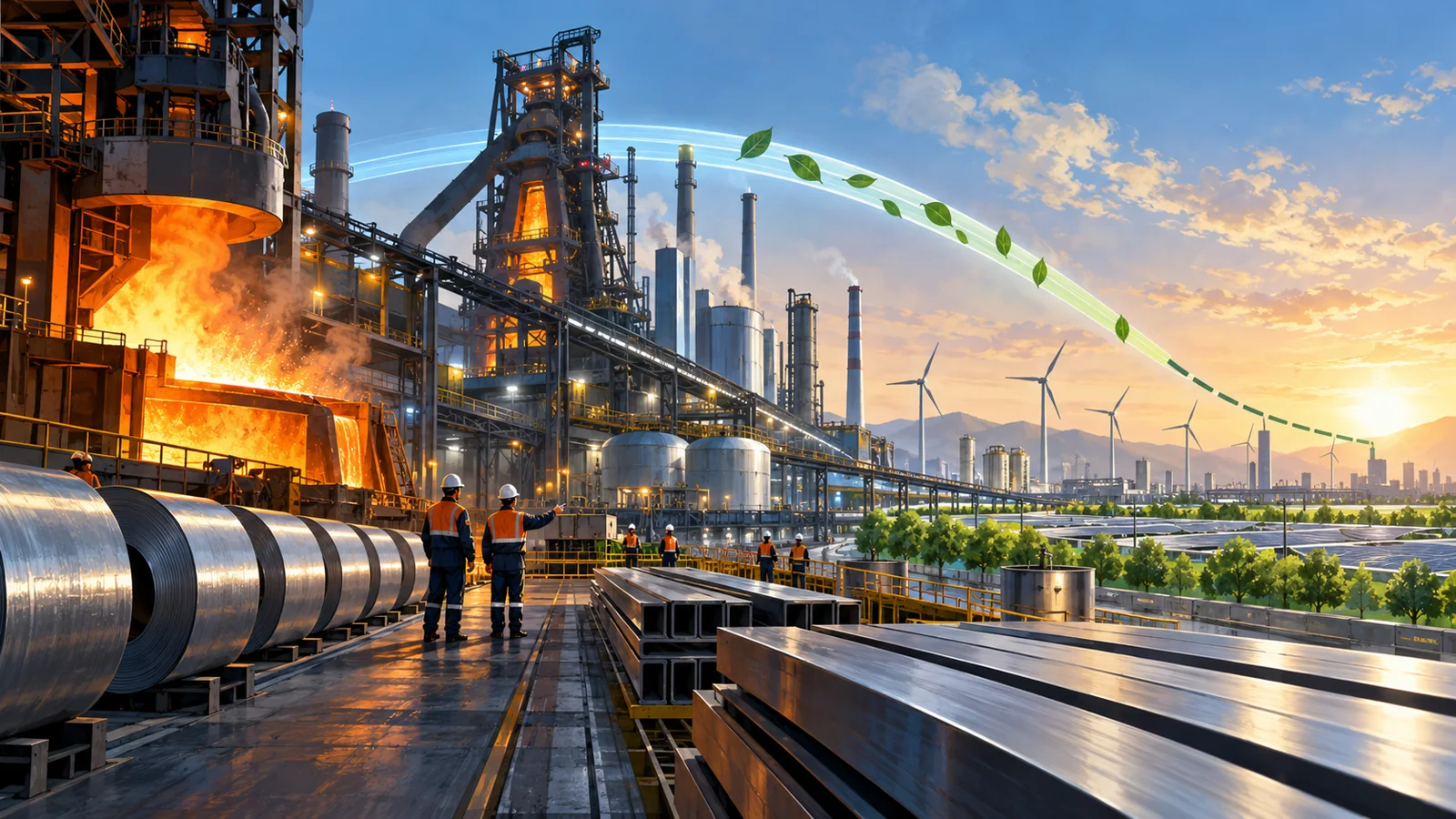
Steel Secretary Sandeep Poundrik said on September 29 that India’s new steel policy plans to build 600 million metric tonnes of annual steelmaking capacity by 2047. He described it as a two-decade roadmap and said the government would release it publicly soon. The document was not yet in the public domain at the reporting cutoff, so the target is a policy proposal rather than completed capacity or an operative guarantee.
India’s steelmaking capacity stood at about 220 million tonnes in the 2025–26 financial year. The existing 2017 policy targets 300 million tonnes of capacity by 2030–31, while earlier official statements had referred to a 500-million-tonne objective for 2047. The new 600-million-tonne figure therefore represents a higher draft ambition; its final wording and implementation measures remain subject to the published policy.
The draft reviewed alongside the secretary’s remarks would seek to reduce average steel-sector emissions intensity from 2.54 tonnes of carbon dioxide per tonne of crude steel to about 1.54 tonnes by 2047. That would support India’s wider net-zero objective for 2070, but it is a long-term target, not evidence that the reduction has already occurred or that individual plants have received binding limits under this policy.
The roadmap estimates iron-ore demand of 772 million tonnes and coking-coal demand of 214 million tonnes. It envisages overseas asset purchases, joint ventures and broader sourcing to secure higher-grade ore and coal. Those supply plans carry commercial, environmental and geopolitical risks that will depend on later projects and approvals.
India imported 3.5 million tonnes of finished steel from April through August, 29.5% more than a year earlier, with China accounting for 31.8% of those imports. That trade context helps explain the emphasis on capacity and raw materials. The Steel Ministry had not issued the full policy or responded to a request for comment at the cutoff, and this report should be updated when the official text is published.